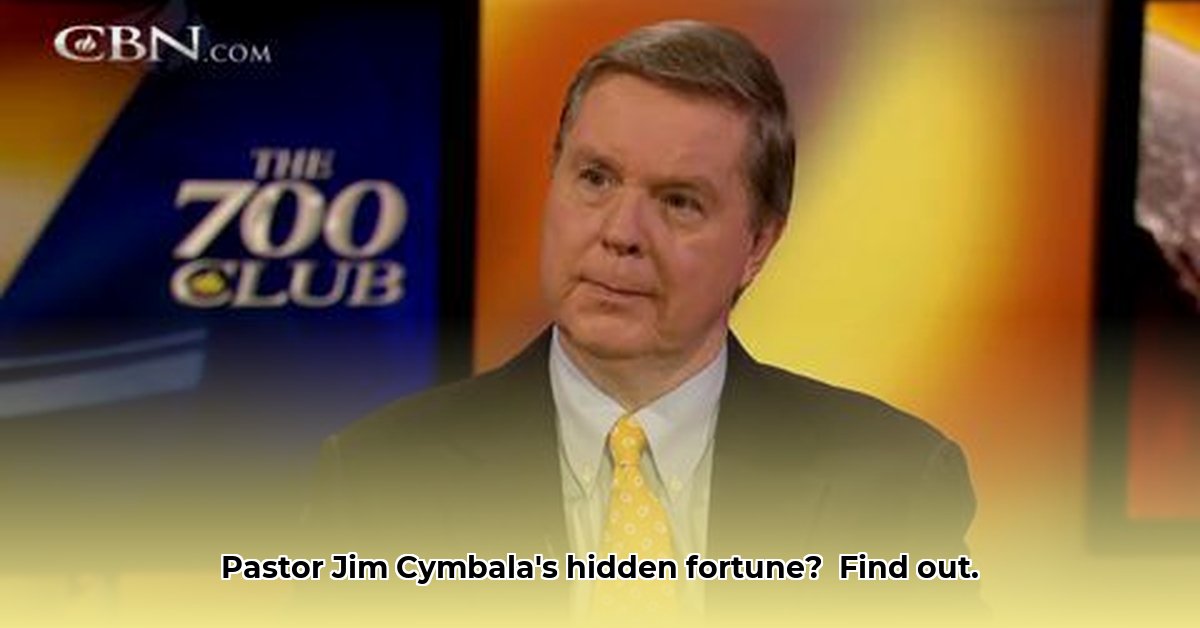
A Case Study of Financial Practices in Religious Leadership
Jim Cymbala, senior pastor of the Brooklyn Tabernacle, a megachurch with over 16,000 members, possesses a significant net worth estimated between $3 million and $5 million. This case study examines the multifaceted sources of his wealth, exploring the financial strategies employed, ethical considerations, and potential risks inherent in managing substantial finances within a religious context. The analysis aims for objectivity, drawing upon publicly available information while acknowledging limitations imposed by privacy concerns. For comparison, see a similar study on Pastor Willie George's finances.
More Than Just a Pulpit: Diversifying Income Streams
Pastor Cymbala's financial success isn't solely attributable to his pastoral salary. His financial portfolio reflects a strategic approach to income diversification. Royalties from his book, "Fresh Wind, Fresh Fire," represent a consistent revenue stream. His considerable speaking engagements at national and international conferences and events contribute significantly to his annual income. While his pastoral salary likely constitutes a modest portion of his overall income, it forms a stable base. Furthermore, any real estate holdings likely contribute to his net worth through appreciation over time. This diversified income stream mitigates potential risks associated with reliance on a single income source.
The Brooklyn Tabernacle: A Growing Financial Enterprise
The remarkable growth of the Brooklyn Tabernacle under Pastor Cymbala's leadership is intrinsically linked to its financial stability. The church's expansion to over 16,000 members signifies not merely a spiritual increase, but also a considerable boost in financial resources. The internationally renowned Brooklyn Tabernacle Choir, a significant contributor to the church's financial health, generates substantial revenue through album sales, concert performances, and related activities. This success demonstrates effective leadership and skillful financial management within a religious organization. How has this growth impacted Pastor Cymbala's personal finances? Analyzing the relationship between the church's success and Pastor Cymbala's net worth requires further investigation.
Transparency and Ethical Considerations: Navigating a Delicate Balance
While estimates of Pastor Cymbala's net worth exist, the precise details of his income remain private. This lack of transparency raises questions about accountability, particularly for influential religious figures. However, reports suggest a relatively modest pastoral salary compared to other prominent religious leaders, possibly indicating a commitment to ethical financial practices. The available information hints at potential responsible financial handling, but definitive conclusions remain elusive due to a lack of comprehensive public information.
Navigating the Financial Landscape: Identifying and Mitigating Risks
Pastor Cymbala's financial journey highlights the importance of proactive financial planning. His wealth likely reflects a balance between personal financial security and considerable charitable giving. However, risks inherent in managing substantial wealth must be acknowledged. These include potential financial mismanagement, increased public scrutiny, challenges related to succession planning, and legal/tax compliance issues. The following table outlines potential risks and corresponding mitigation strategies:
| Risk Category | Likelihood | Potential Impact | Mitigation Strategies |
|---|---|---|---|
| Financial Mismanagement | Low | High | Diversified investments; regular financial reviews; transparent accounting. |
| Public Scrutiny | Moderate | Moderate | Open communication; emphasis on charitable activities; independent audits. |
| Leadership Transition Challenges | Moderate | High | Develop a clear and well-communicated succession plan. |
| Legal and Tax Compliance Issues | Low | Very High | Consistent consultation with legal and tax professionals. |
A Legacy Beyond Numbers: Faith, Leadership, and Financial Prudence
Pastor Cymbala's net worth transcends mere monetary value. It embodies the intricate interplay between faith, leadership, and financial responsibility. While precise financial details remain private, his story provides invaluable insights for religious leaders facing similar financial complexities. It emphasizes the crucial balance between personal financial well-being and the ethical stewardship of resources within a religious context. The ongoing discourse on financial transparency within religious organizations underscores the need for continued exploration of best practices and ethical considerations.
Key Takeaways: Lessons in Ethical Financial Management for Religious Leaders
- Pastor Cymbala's net worth illustrates the complexities of financial management within a religious context.
- Diversification of income streams (book royalties, speaking engagements, etc.) is a key element of financial stability.
- Charitable giving significantly impacts his overall financial picture, highlighting ethical considerations.
- Transparency and responsible stewardship are crucial for maintaining public trust.
- Cymbala's journey offers practical lessons in financial prudence, despite limitations in publicly available data.
Practical Steps for Ethical Financial Management in Ministry
- Establish transparent financial processes: Open communication with the congregation regarding financial practices.
- Independent audits: Regular audits build trust and ensure accountability.
- Diversify income sources: Reduce reliance on donations; explore alternative revenue streams.
- Formal budgeting and financial planning: Implement responsible financial management systems.
- Designated charitable giving: Publicly outline donation allocation for transparency.